Why Film Photography Is Making a Comeback (+ Why It Should Be at Your Wedding)
Why Film Photography Is Making a Comeback
In a world of infinite scrolling, AI-generated imagery, and instant everything, something unexpected is happening: photographers, couples, and creatives everywhere are picking up film cameras again! The grain, the warmth, the imperfection; it turns out these aren’t flaws to be edited out. They’re exactly what people are craving.
Film photography sales have surged over the past several years. Kodak has brought back discontinued films, new labs are opening across the country, and a whole generation of photographers who grew up in the digital era are learning to slow down and shoot on 35mm and medium format. So what’s driving this analog revival and what does it mean for the way we document life’s biggest moments?
The Psychology Behind the Revival of Film
1. Authenticity in an Over-Filtered World
We’ve all seen it: the same preset, the same cool tones, the same Instagram-ready edit applied to thousands of photos. Digital photography, for all its brilliance, has made it easy to chase a trend and lose a moment.
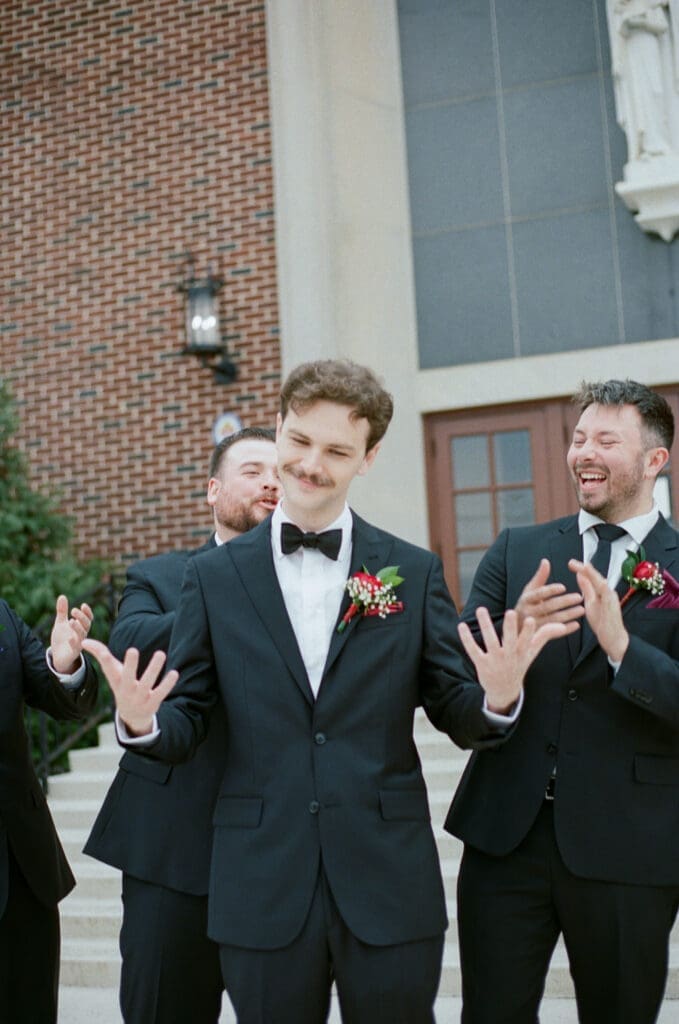
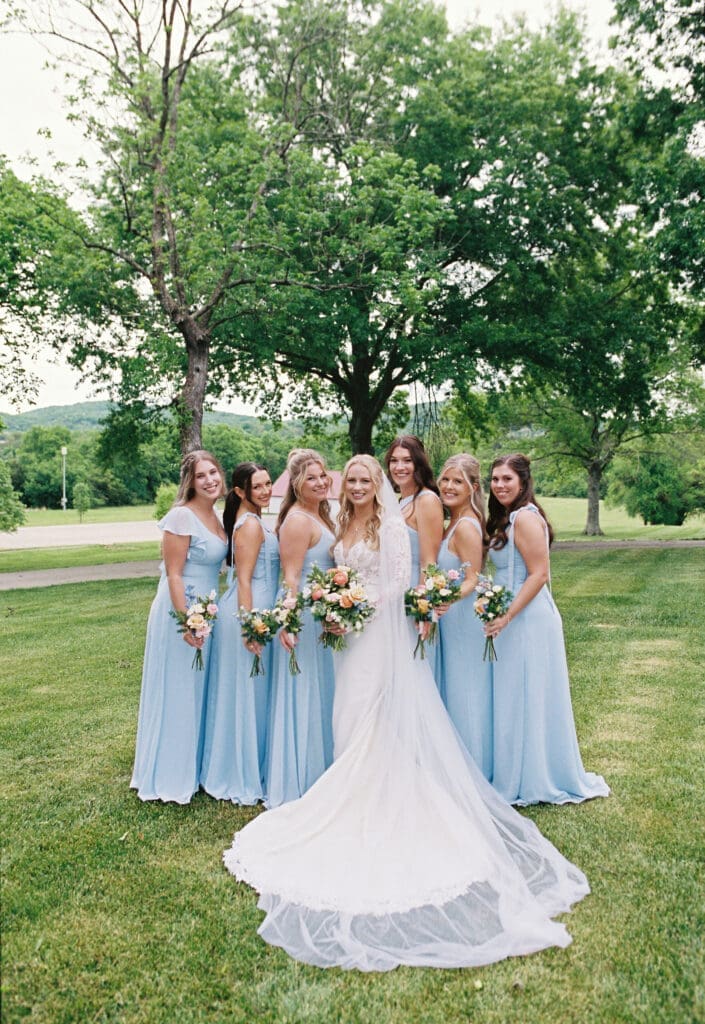
Film doesn’t let you do that. Each roll of film has its own personality; Portra 400 renders skin tones with a warmth no Lightroom preset can fully replicate. Kodak Gold gives a gentle grain and golden cast that feels lived-in. Fuji Pro 400H (back in limited circulation) produces pastel-like colors with a softness that’s simply impossible to fake.
The result? Photos that feel real. Not curated. Not processed. Just honest.
2. The Intentional, Slow Photography Movement
With digital, you shoot 2,000 frames and figure it out later. With film, you have 36 exposures on a roll and 10-12 on medium format. Every frame costs money and care. Photographers who shoot film are forced to be more intentional: to wait for the light, read the moment, and trust their instincts.
This intentionality produces a different kind of image. Not more technically perfect, but often more emotionally resonant.
3. Nostalgia as a Coping Mechanism
Cultural trends rarely emerge in a vacuum. The resurgence of vinyl, film cameras, landlines, and cassette tapes has been building since the early 2010s and accelerated dramatically post-pandemic. There’s a growing hunger for things that feel tactile, permanent, and imperfect; things that exist in the physical world.
Film photographs exist. They’re not locked in a cloud or a hard drive. You can hold a print, feel the surface of a photograph taken on medium format, and know it’s real.
Why Film Photography Is Making a Comeback in the Wedding World Specifically
Of all the places to embrace this revival, weddings are perhaps the most natural fit. Think about it: a wedding is already a deliberate act of honoring tradition, of slowing down, of marking time. Film belongs there.
Here’s why more and more couples are requesting film as part of their wedding photography coverage:
The Film Look Is Timeless, Not Trendy
Scroll back through your parents’ or grandparents’ wedding photos. Chances are, they have a warmth and softness that still feels beautiful decades later. That’s film. Now scroll through wedding photos from 2012. Many of them have editing styles that feel very 2012.
Film photography ages gracefully. The colors don’t date themselves. The grain feels like memory, not noise. A film wedding photograph taken today will still feel emotional and timeless in 40 years.
Film Handles Light Beautifully
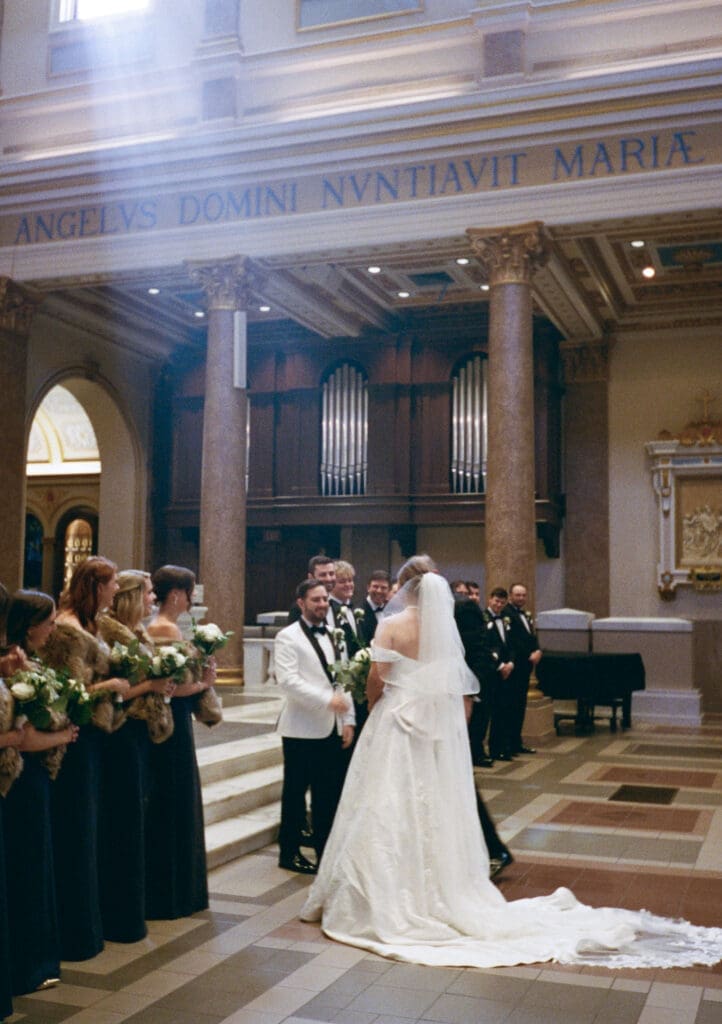
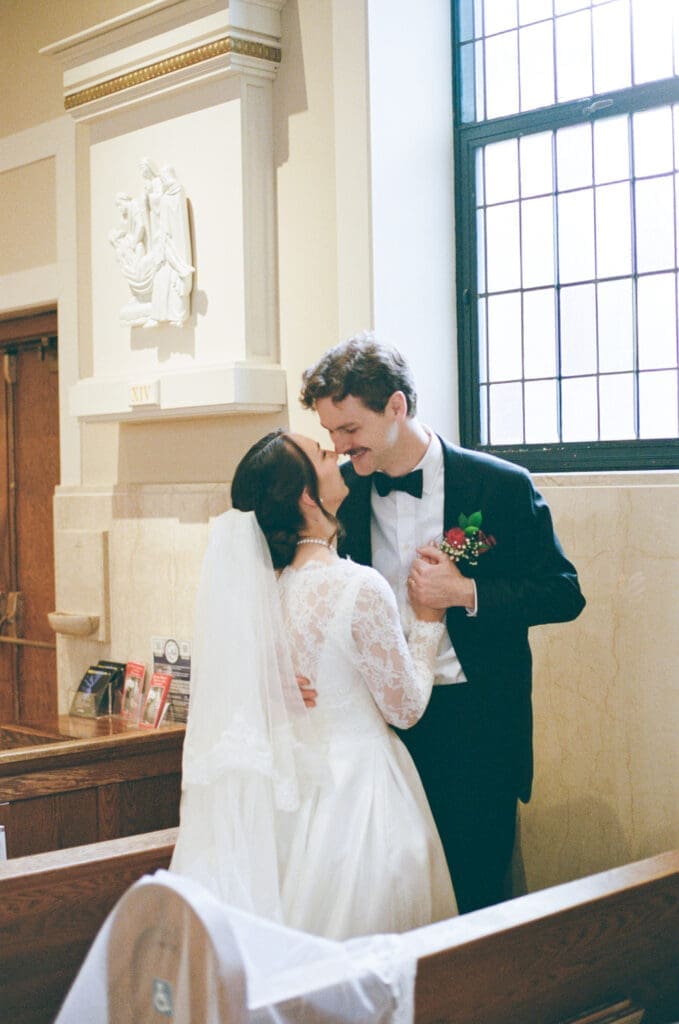
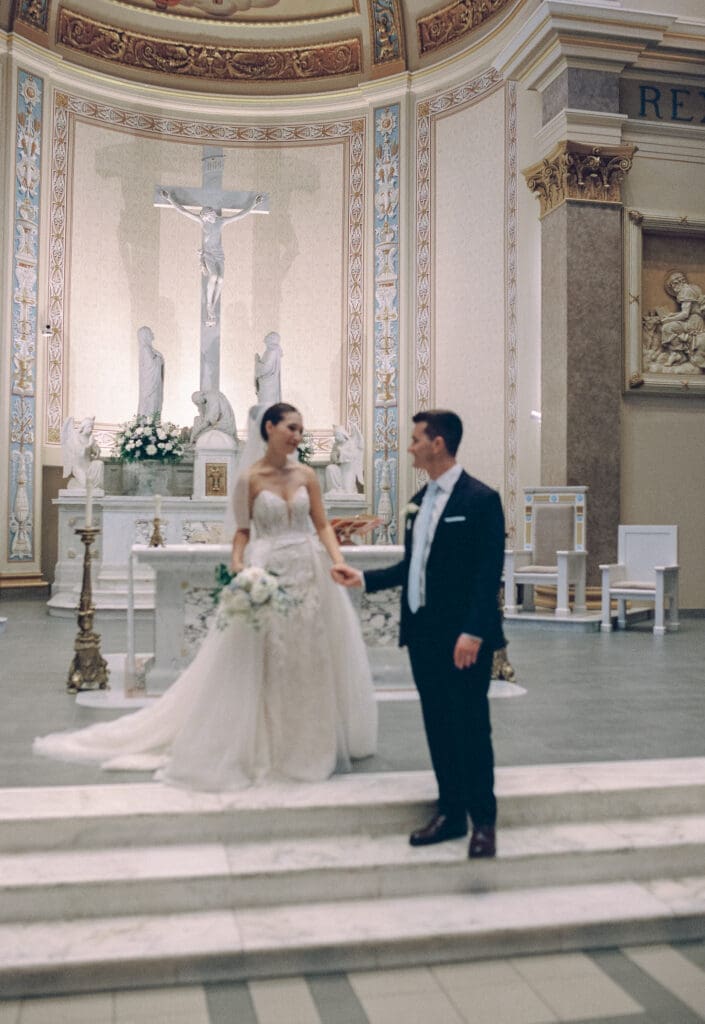
Golden hour, candlelight, string lights, church windows — film renders these light sources with a latitude (range of exposure) that produces glowing, romantic images. Where digital sensors can clip highlights and create harsh contrast, film often rolls off gracefully, holding detail in both the brightest and darkest parts of a scene.
Wedding lighting is notoriously tricky. Film thrives in it.
It Slows Everyone Down — In a Good Way
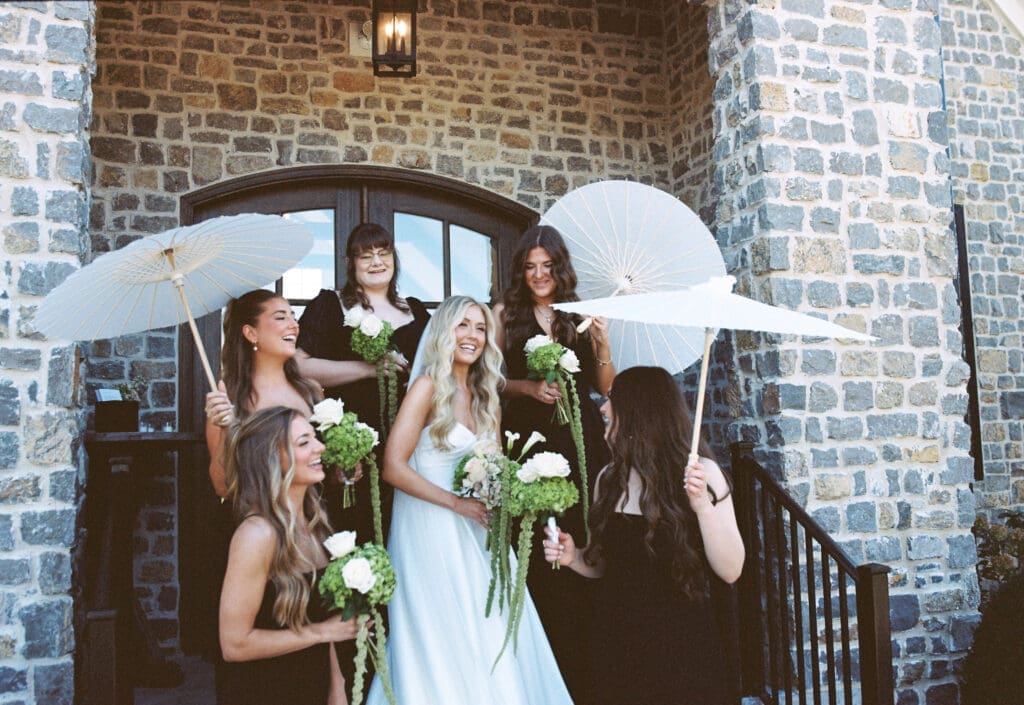
When a photographer pulls out a film camera during portraits, something shifts. The pace slows. There’s something about knowing the shot is precious that makes couples breathe, connect, and simply be together. The images that come out of those moments are almost always among the most cherished of the entire day.
How Film and Digital Work Together Beautifully
Here’s the secret no one always tells you: you don’t have to choose between film and digital. In fact, the magic often lives in the combination of both.
Most film-hybrid wedding photographers shoot digital for the full day — ceremony, reception, details, dancing; selectively using film for portraits, intimate moments, and the most emotionally significant scenes. This approach gives you:
- Full coverage and reliability (digital handles low light, fast movement, and volume)
- Cinematic, emotional portraiture (film captures feeling in a way that stops scrolling)
- A varied final gallery that has texture, depth, and a distinct visual story
Think of it this way: your digital photos document what happened. Your film photos capture how it felt.
Practical Tips for Incorporating Film Into Your Wedding
Ask about it upfront. Not all wedding photographers shoot film, but many who do offer it as an add-on or hybrid package. When vetting photographers, ask to see galleries that include film work and notice how the two mediums complement each other.
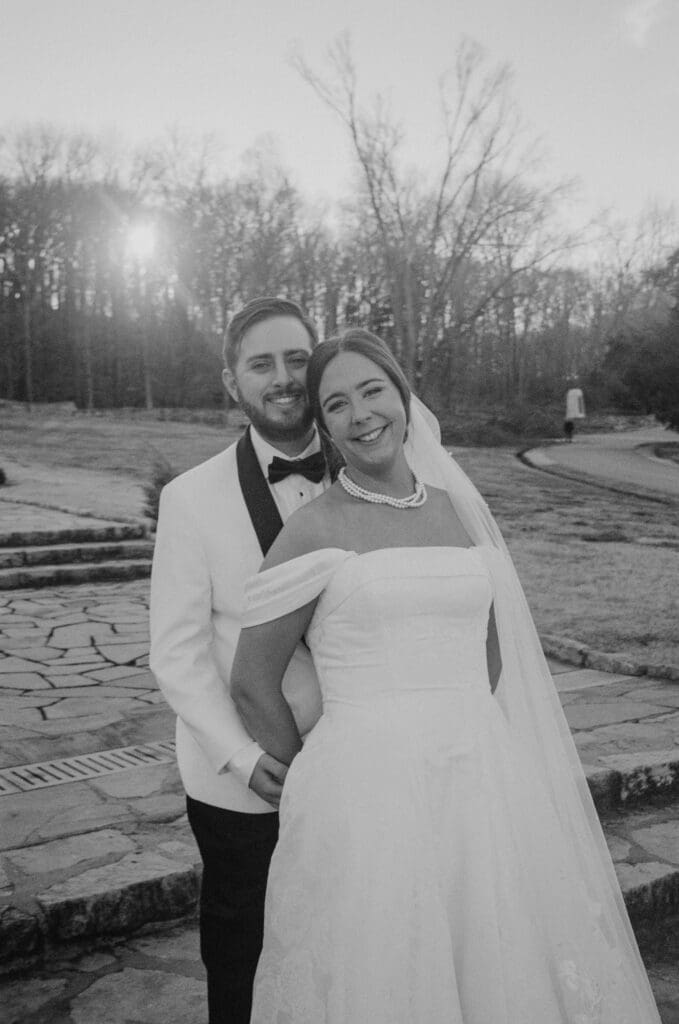
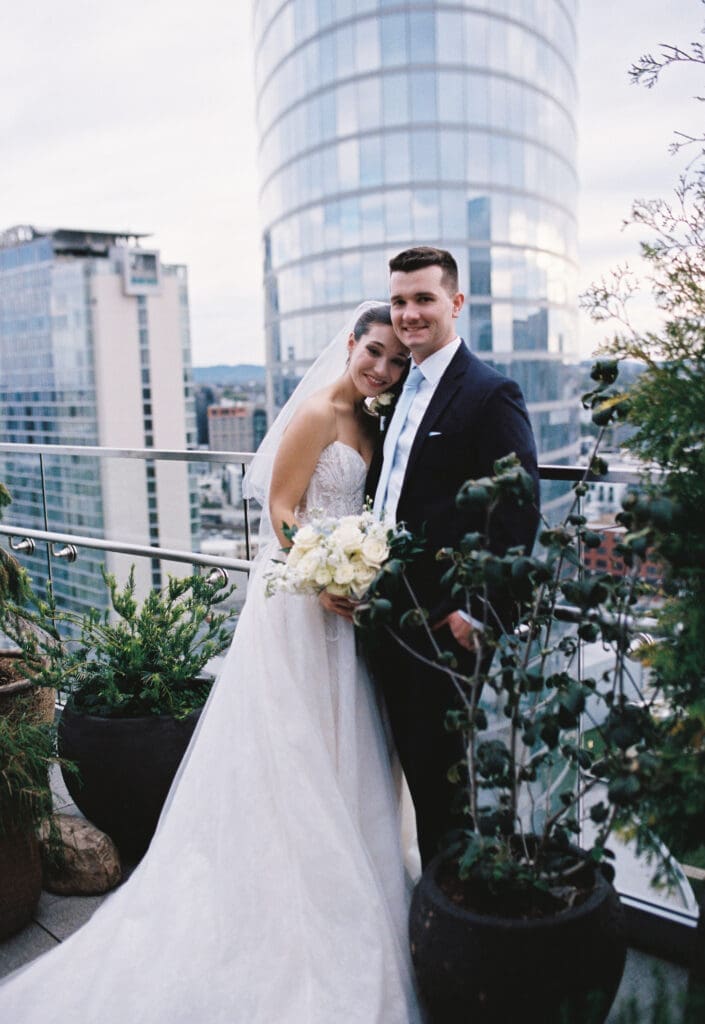
Prioritize film for your portraits. The golden hour couples session and any intimate moment between just the two of you are prime candidates for film. These are the images you’ll frame and hang on your wall for decades.
Trust the process. Film isn’t instant. You won’t see your images on the back of a camera. The anticipation of getting your scans back — the same feeling your parents had waiting for prints to come back from the lab — is its own kind of joy.
Discuss film choices with your photographer. Different film stocks produce different looks. Warmer? Cooler? High contrast? Dreamy pastels? Your photographer can tailor their film selection to your venue, palette, and aesthetic.
The Bigger Picture: Why This Matters Now
We’re living through one of the most documented periods in human history, and somehow, so many images feel disposable. Posted, double-tapped, archived, forgotten.
The reason why film photography is making a comeback isn’t really about cameras or chemicals. It’s about meaning. About wanting photographs that carry weight, that feel worthy of a frame on the wall, that tell your story in a way that doesn’t expire when a platform changes its algorithm.
Weddings deserve that kind of permanence. Your love story deserves images that will outlast every trend and every technology shift.
Whether you’re a photographer looking to expand your artistic practice, or a couple planning your day and wondering if film is worth the investment; the answer is the same: yes. Not because it’s nostalgic. Not because it’s trendy. But because it’s true.
Final Thoughts
The next time someone asks you why film photography is making a comeback, the simplest answer is this: because we’re tired of perfect, and we’re hungry for real.
For wedding couples especially, film offers something that no preset or AI enhancement can replicate;the visual feeling of a moment held still, rendered in light and chemistry, imperfect and irreplaceable.
Talk to your photographer. Ask about film. Let at least a few frames of your wedding day live on analog!
You won’t regret it.
Looking for a wedding photographer who shoots film? Let’s chat!